

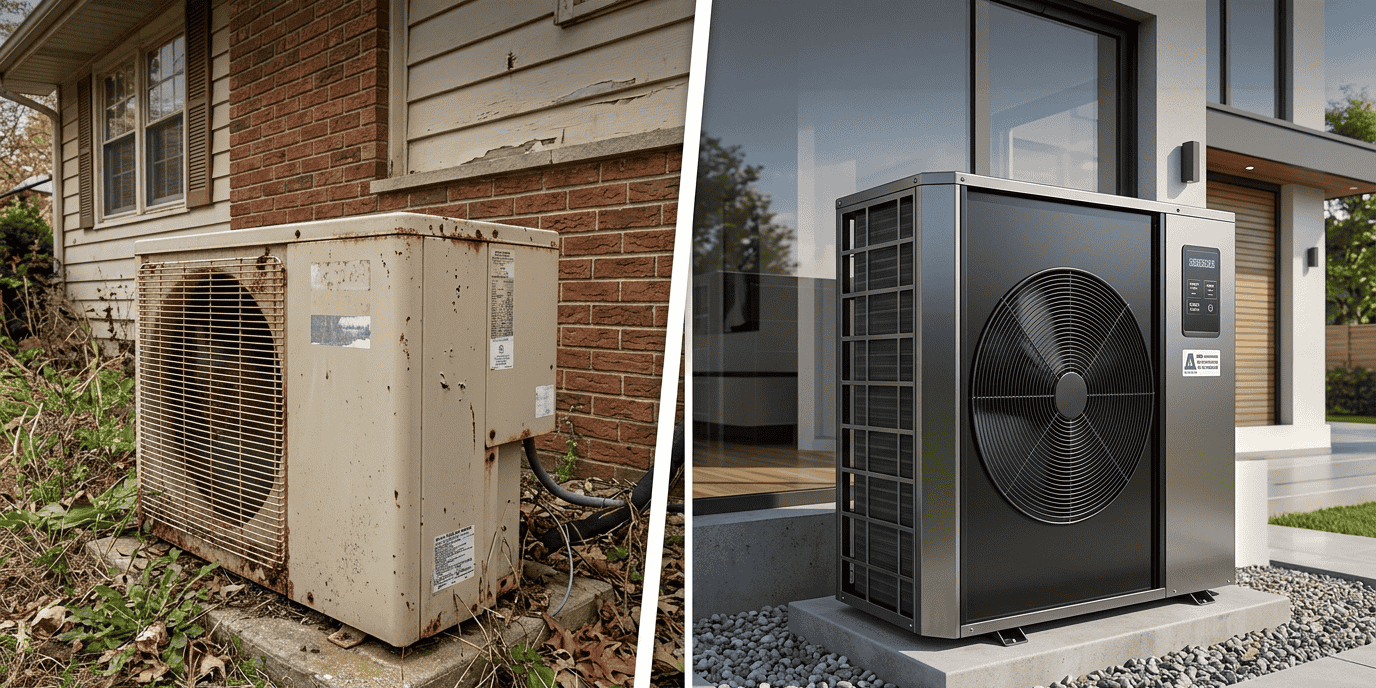
When an air conditioner breaks down in the middle of a Fresno summer, the first question is usually just "can you fix it today?" But once the immediate crisis is resolved, a more important question often follows: is it worth continuing to repair this system, or is it time to replace it?
This is one of the most common decisions homeowners face, and it rarely has an obvious answer. The right choice depends on several factors working together — not just the cost of the repair in front of you.
Start With the Age of the System
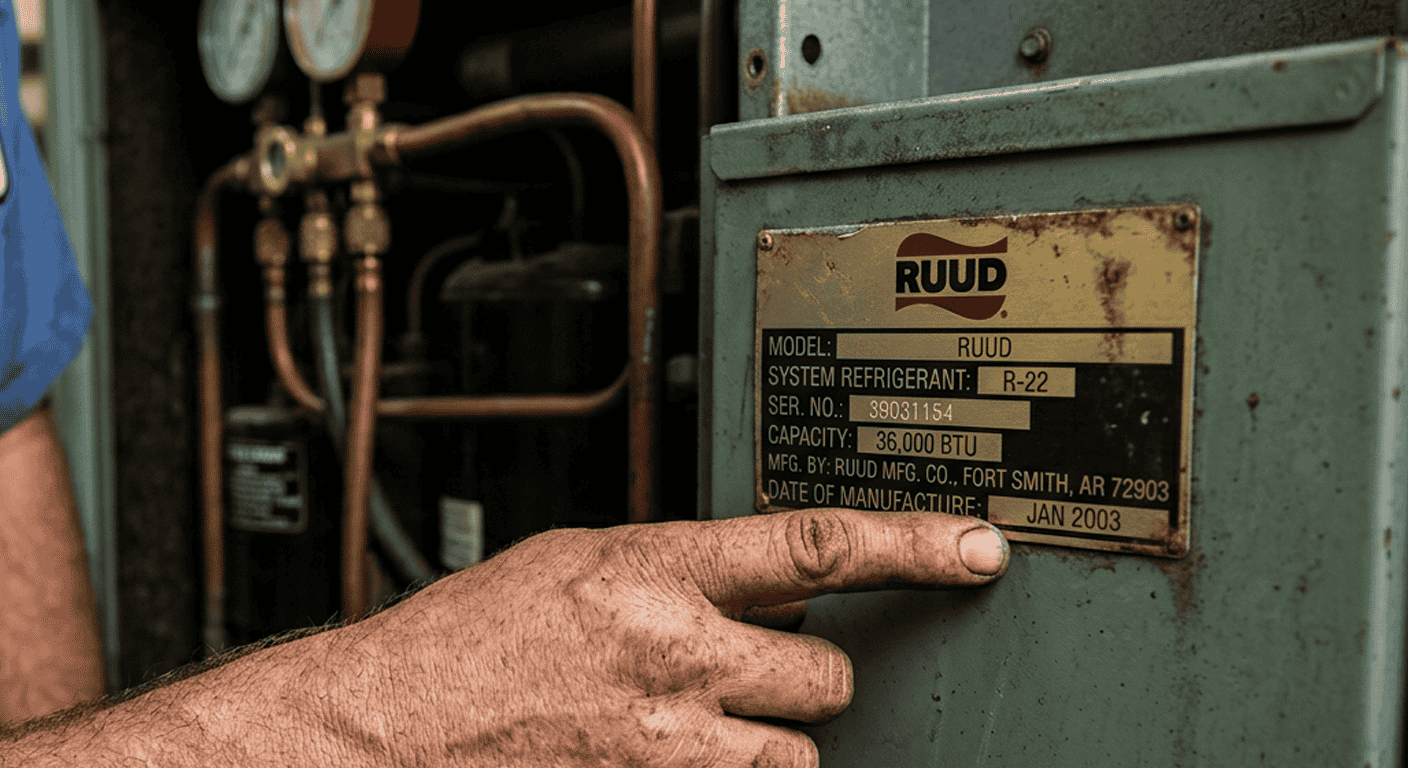
The typical lifespan of a residential air conditioner in the Central Valley is 12 to 15 years with proper maintenance. In a hotter climate with longer run times, systems can reach the end of their useful life closer to that 12-year mark.
If your system is under 10 years old and in otherwise reasonable condition, repair almost always makes more financial sense than replacement — unless the repair cost is exceptionally high or there is a significant underlying problem.
If your system is 12 to 15 years old or older, the calculation becomes more nuanced. The system is approaching the end of its design life, newer systems are substantially more efficient, and the likelihood of additional repairs in the near future increases with each year.
The Rule of Thumb: The 5,000 Rule
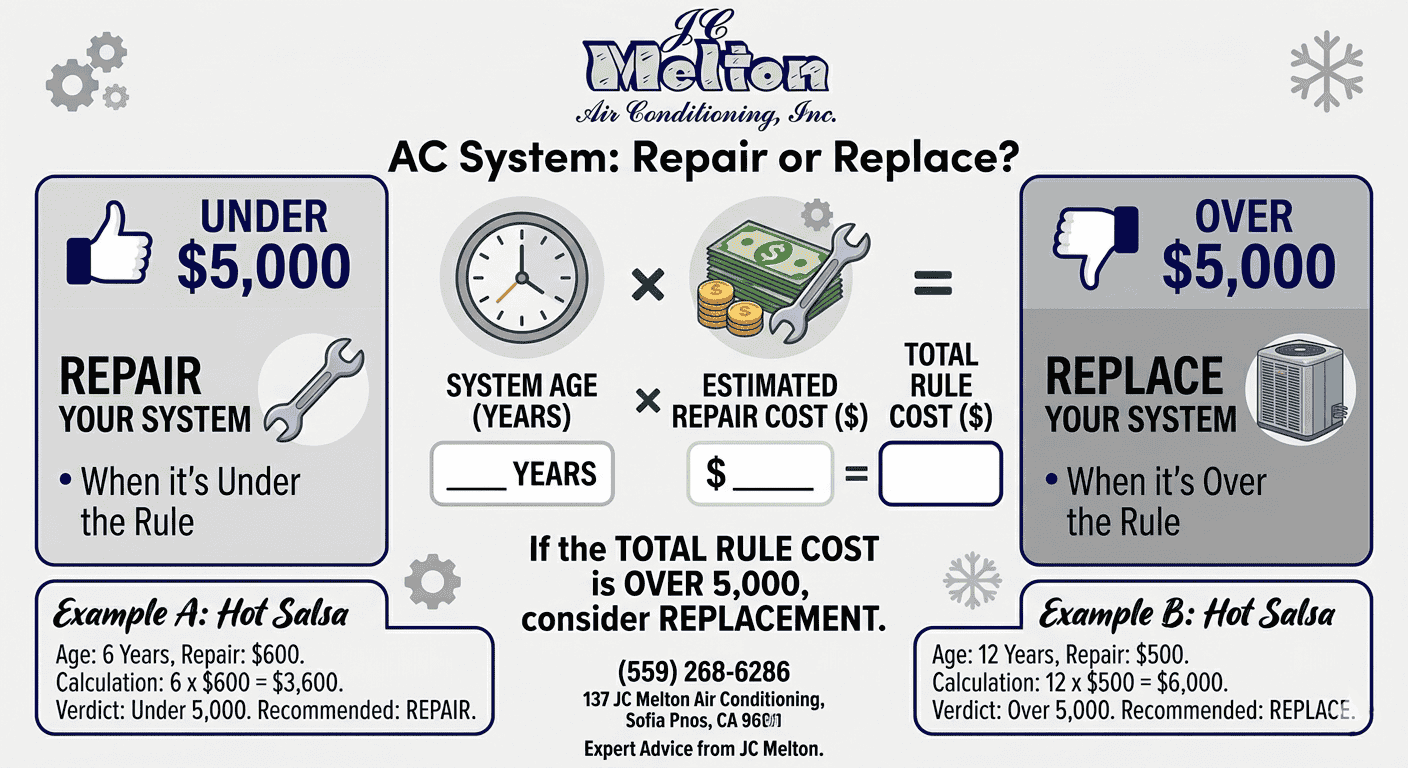
A commonly used framework in the HVAC industry is to multiply the age of the system (in years) by the cost of the proposed repair. If the result exceeds $5,000, replacement is generally the better long-term value.
Example: A 12-year-old system that needs a $500 repair: 12 × $500 = $6,000. That result suggests replacement is worth serious consideration.
This is a guideline, not a rule — but it is a useful way to frame the decision when you are trying to decide whether a repair is a good investment or a short-term patch on an aging system.
How Often Have You Been Calling for Service?
Frequency of repairs matters as much as the cost of any individual one. If you have had to call an HVAC company two or three times in a single cooling season, or if you have had repairs in back-to-back years, that pattern is telling you something. Aging systems tend to fail in clusters — one component goes, then another shortly after.
A single significant repair on an otherwise reliable system is usually worth making. A repair that follows a string of recent service calls, on a system that is already showing its age, is often the beginning of a pattern that will only continue.
Consider the Efficiency Gap
Air conditioning technology has improved significantly over the past decade. A system installed 12 or 15 years ago may have a SEER rating (Seasonal Energy Efficiency Ratio) of 10 or 12. Today's standard systems are rated at 16 or higher, and higher-efficiency options are available well above that.
In the Central Valley, where air conditioning represents a substantial share of summer electricity costs, the efficiency gap between an older system and a modern one can translate into meaningful monthly savings. In some cases, the energy savings from a more efficient replacement system can offset a significant portion of the installation cost over time — especially when combined with available rebates and tax credits.
Factor In Available Incentives
If replacement is on the table, it is worth understanding what financial incentives are currently available. Federal tax credits for high-efficiency HVAC systems, utility rebates through PG&E and other providers, and manufacturer promotions can meaningfully reduce the out-of-pocket cost of a new system. These incentives change periodically, and a knowledgeable HVAC company can help you understand what is currently applicable to your situation.
When Repair Is Clearly the Right Answer
- The system is fewer than 8–10 years old
- The repair is a single, known issue with a clear cause
- The system has been well-maintained and has no other known problems
- The repair cost is modest relative to the system's remaining useful life
When Replacement Deserves Serious Consideration
- The system is 12 or more years old
- Repairs have been needed repeatedly over the past two to three years
- The repair involves a major component — compressor, heat exchanger — whose cost approaches a significant fraction of a new system
- The system uses R-22 refrigerant (which is no longer manufactured and is expensive to service)
- Energy bills have been climbing without explanation
Get an Honest Assessment
The most important thing when facing this decision is getting an honest evaluation from a qualified technician — not one who benefits from steering you toward the most expensive option.
JC Melton Air Conditioning has built its reputation over 70 years in the Fresno community on exactly that kind of honesty. Our NATE Certified technicians will give you a straightforward assessment of your system's condition, an honest recommendation on repair versus replacement, and all the information you need to make the right decision for your home and your budget.
Call us at (559) 268-6286 or request an estimate online to schedule a system evaluation.